Compared with traditional centralized thermal power and large-scale centralized photovoltaic power stations, distributed photovoltaic systems have unique competitive advantages in resource utilization, energy efficiency, operational flexibility and application scenarios, and have become the core development direction of the global new energy industry. With the continuous iteration of PV technology, policy support and market demand expansion, distributed PV is showing more diversified development trends and will occupy a more important position in the future energy system.
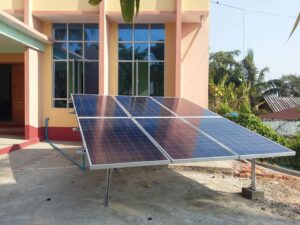
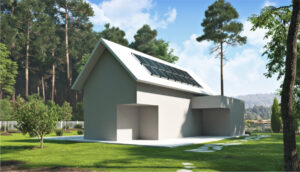
In terms of core advantages, distributed PV first has ultra-high resource utilization efficiency. It makes full use of scattered idle resources such as residential rooftops, commercial building roofs, factory workshops, rural greenhouses and parking lots, without occupying valuable cultivated land, forest and centralized construction land, realizing efficient utilization of fragmented space resources. Secondly, the on-site power generation and on-site consumption mode greatly reduces electric energy loss in long-distance transmission and transformation of the power grid, improving the comprehensive utilization efficiency of electric energy. In addition, distributed PV has low investment threshold, flexible installation scale, short construction cycle and quick return on investment, which is suitable for popularization and application of different users such as families, enterprises and rural collective economies.
In terms of operational advantages, distributed PV systems have strong grid compatibility and anti-risk capabilities. Decentralized power generation can effectively balance regional grid power pressure, alleviate grid peak load pressure, improve grid power supply stability and power quality. When local grid fails or power is cut off, independent distributed PV systems with energy storage can still maintain normal power supply, improving regional energy security. At the same time, modern distributed PV systems realize intelligent operation and maintenance through Internet of Things monitoring technology, which can remotely monitor equipment operation status, intelligently diagnose faults, reduce manual operation and maintenance costs, and improve system operational stability.
In terms of future trends, distributed PV will develop towards intelligence, integration and diversification. First, intelligent upgrading, combining big data, artificial intelligence and Internet of Things technology to realize intelligent prediction of power generation, intelligent scheduling of energy and automatic early warning of faults. Second, integrated development, deep integration with energy storage systems, electric vehicle charging piles, smart microgrids to build comprehensive distributed energy stations. Third, scenario diversification, expanding from traditional roof scenarios to parking lot canopies, urban public facilities, rural agricultural facilities and other emerging scenarios. In addition, with the continuous decline of module costs and the improvement of conversion efficiency, the economic benefits of distributed PV will be further highlighted, and it will become a universal green energy solution for global users.