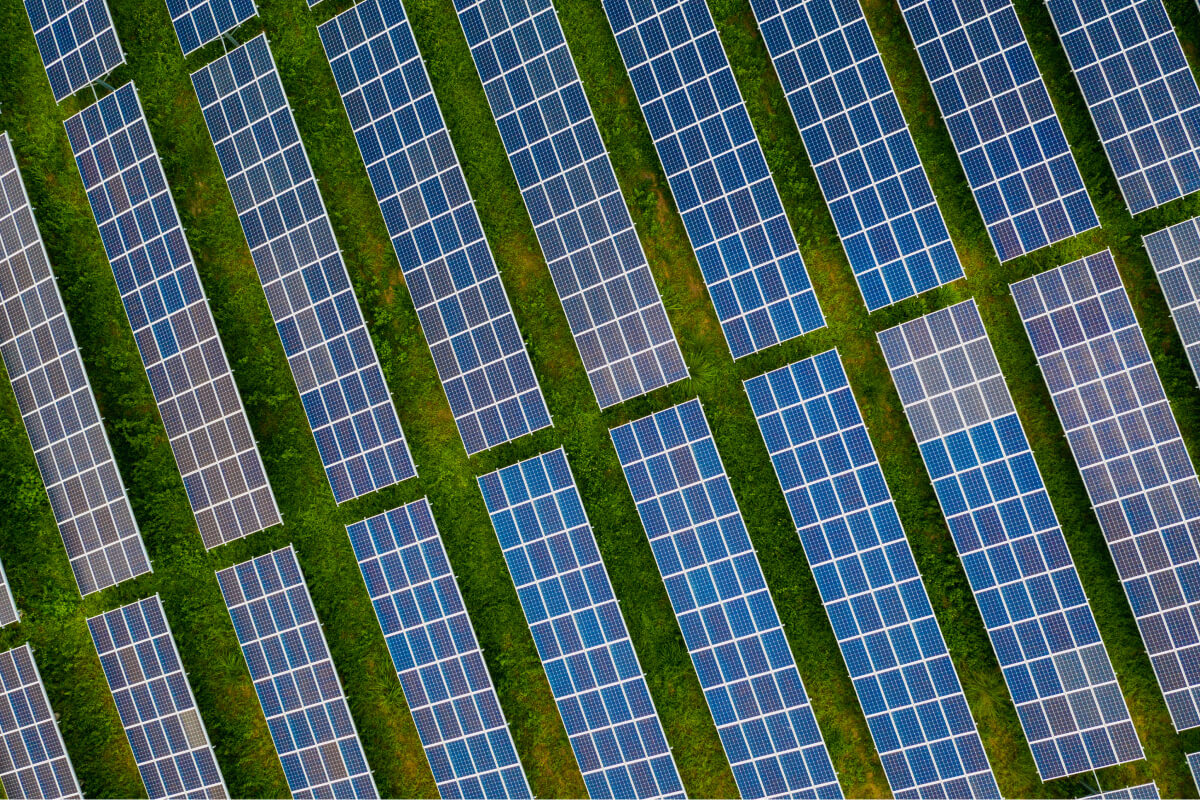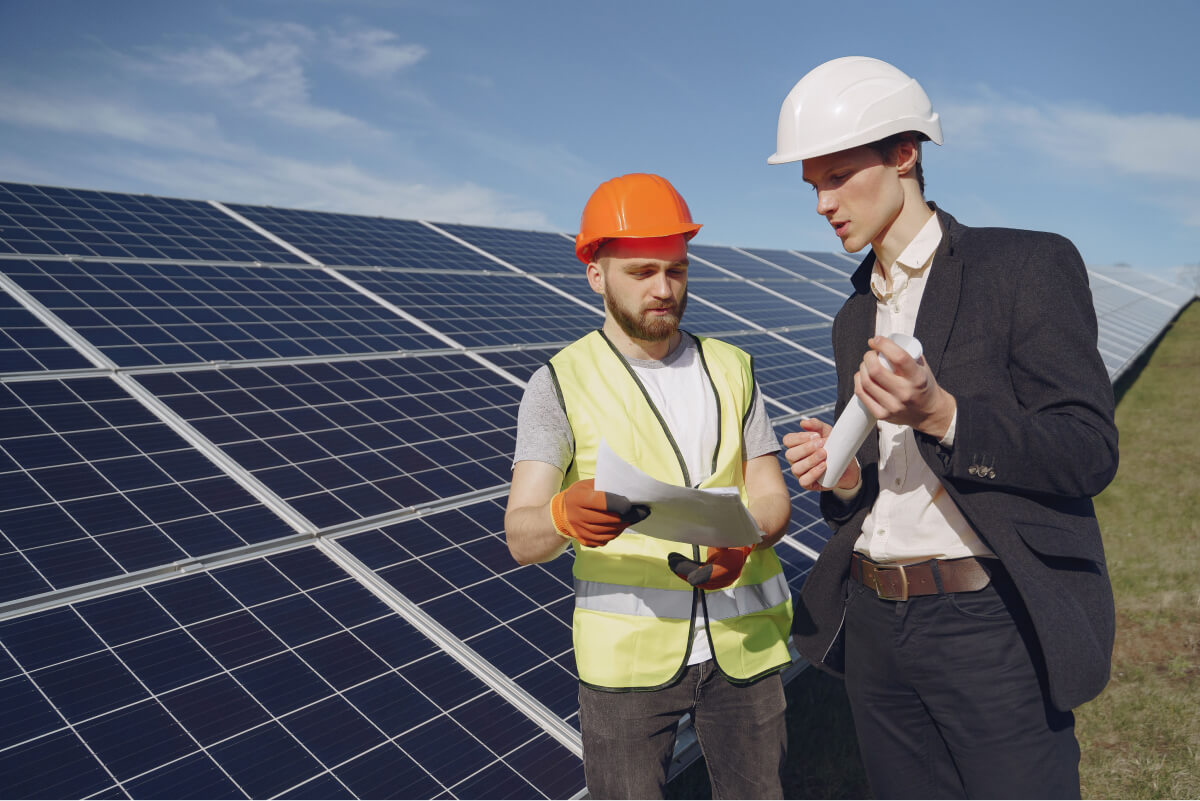
Industrial enterprises are typical high-energy-consuming entities, and high industrial electricity costs and rigid energy consumption pressure have long restricted the profit growth and green transformation of manufacturing factories. Industrial distributed photovoltaic systems, specially designed for factory workshops, industrial parks and production bases, make full use of large-area factory roofs and idle industrial land to build efficient clean power generation systems, providing targeted energy-saving and emission-reduction solutions for the industrial sector.
Factory roofs are the most valuable idle resources for industrial enterprises. Most factory workshops have large, flat, unobstructed roofs with sufficient sunlight exposure, which are very suitable for large-scale PV module installation. Different from residential and commercial PV systems, industrial distributed PV has larger installed capacity and higher power generation efficiency, which can fully meet the high-power and continuous power consumption demand of industrial production equipment, production lines and workshop lighting. The self-generated and self-used power mode greatly reduces the enterprise’s purchase of high-priced industrial grid electricity, and the cost-saving effect is extremely significant in the long run.
In addition to reducing electricity costs, industrial distributed PV effectively helps enterprises meet carbon emission reduction assessment requirements. With the continuous promotion of global dual-carbon policies, industrial enterprises are facing increasingly strict carbon emission assessment and energy consumption supervision. The zero-emission power generation characteristic of PV systems can significantly reduce the carbon emission intensity of industrial production, help enterprises complete annual carbon reduction targets, avoid policy penalties caused by excessive carbon emissions, and enjoy relevant green energy policy subsidies and tax incentives. For export-oriented manufacturing enterprises, green power consumption qualifications also help products meet international carbon tariff standards and expand overseas markets.
Industrial distributed PV systems also support intelligent energy management and flexible expansion. Equipped with intelligent inverters and remote monitoring systems, enterprises can real-time view power generation data, power consumption data and equipment operation status, optimize production power arrangement, and improve energy utilization efficiency. The modular installation design supports capacity expansion according to factory production scale expansion, realizing synchronous growth of energy supply and production demand. With stable performance, low failure rate and long service life, industrial PV systems can adapt to harsh industrial production environments and provide long-term stable clean energy support for enterprise production and operation.