Global climate change, air pollution and resource depletion have become common challenges for all mankind, and accelerating the replacement of fossil energy with clean renewable energy is the core path to achieve global carbon neutrality goals. As a widely promoted decentralized clean energy solution, distributed photovoltaic systems play an irreplaceable role in reducing carbon emissions, improving air quality and promoting ecological protection, becoming an important grassroots force driving green and low-carbon transformation of society.
The most core environmental value of distributed PV is zero-carbon power generation throughout the whole life cycle. Unlike traditional thermal power generation that consumes coal, natural gas and other fossil fuels and emits a large amount of carbon dioxide, sulfur oxides and nitrogen oxides, distributed PV systems rely entirely on solar energy for power generation, with zero greenhouse gas emissions and zero pollutant emissions in the power generation process. Every megawatt-hour of solar power generated by distributed PV can reduce a large amount of carbon emissions, effectively alleviating the greenhouse effect and slowing down global warming. Compared with centralized power plants, distributed PV avoids energy loss and secondary pollution caused by long-distance power transmission and transformation, with higher comprehensive environmental benefits.
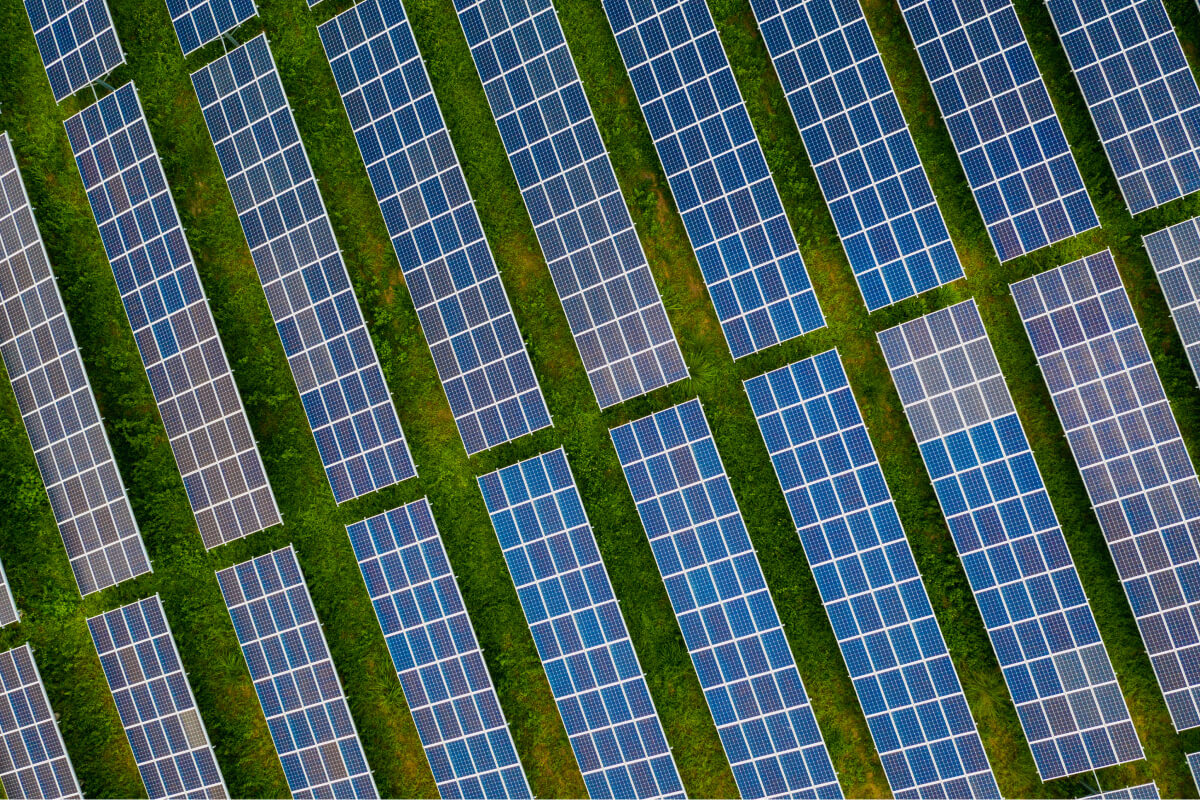
Distributed PV also helps improve urban and rural air quality and ecological environment. Traditional fossil fuel power generation is one of the main sources of urban smog, air particulate matter and harmful gas pollution. The large-scale promotion of distributed PV can effectively reduce the dependence of regional power consumption on thermal power, cut down the emission of air pollutants, and significantly improve local air quality. In rural areas, agricultural PV, rooftop PV and parking lot PV systems make full use of idle space, do not occupy cultivated land and forest resources, and can realize complementary development of power generation and agriculture, ecological protection and energy supply, promoting the coordinated development of ecological environment and economic society.
Moreover, distributed PV promotes the popularization of low-carbon environmental protection concepts among the whole people. Different from large-scale centralized energy projects concentrated in remote areas, distributed PV is closely attached to residential homes, commercial buildings and industrial factories, enabling every family and enterprise to participate in clean energy construction and carbon emission reduction actions intuitively. It effectively enhances public awareness of energy conservation and environmental protection, and forms a good social atmosphere for green low-carbon development. From grassroots residential and commercial applications to regional industrial popularization, distributed PV is building a comprehensive low-carbon energy system for cities and villages, and continuously injecting impetus into global carbon neutrality strategies.