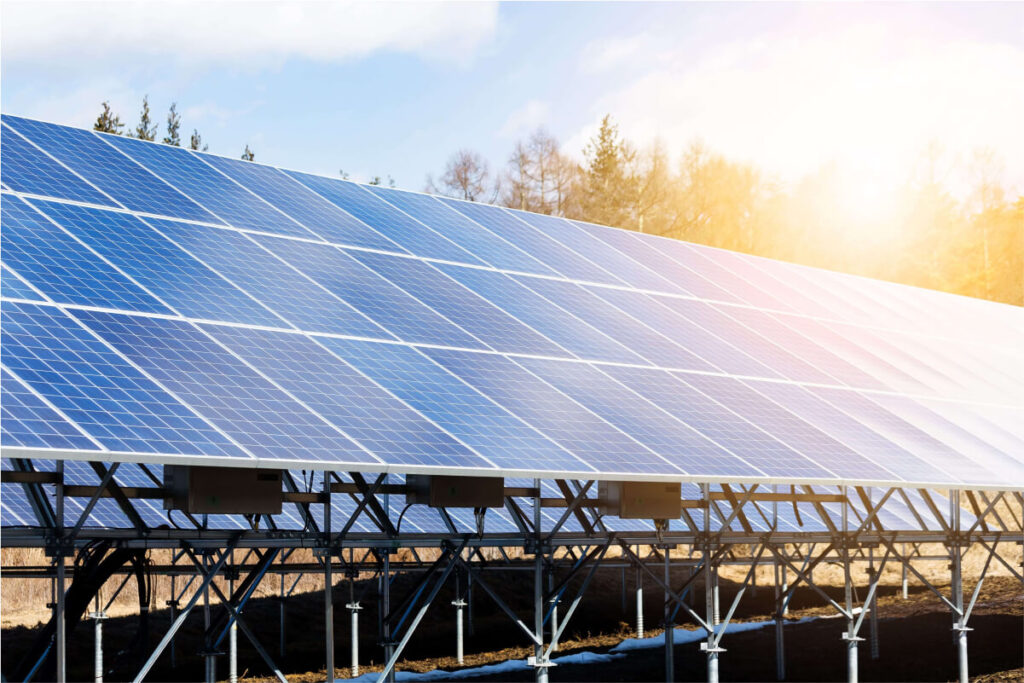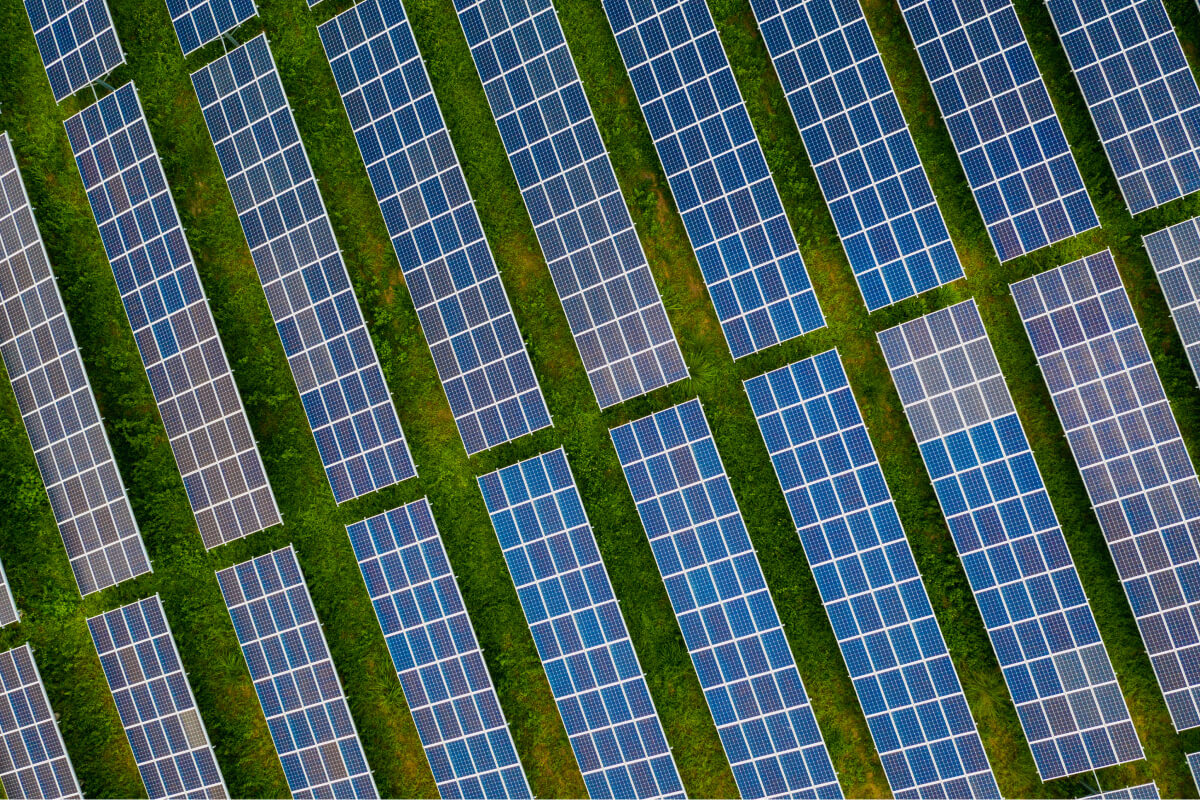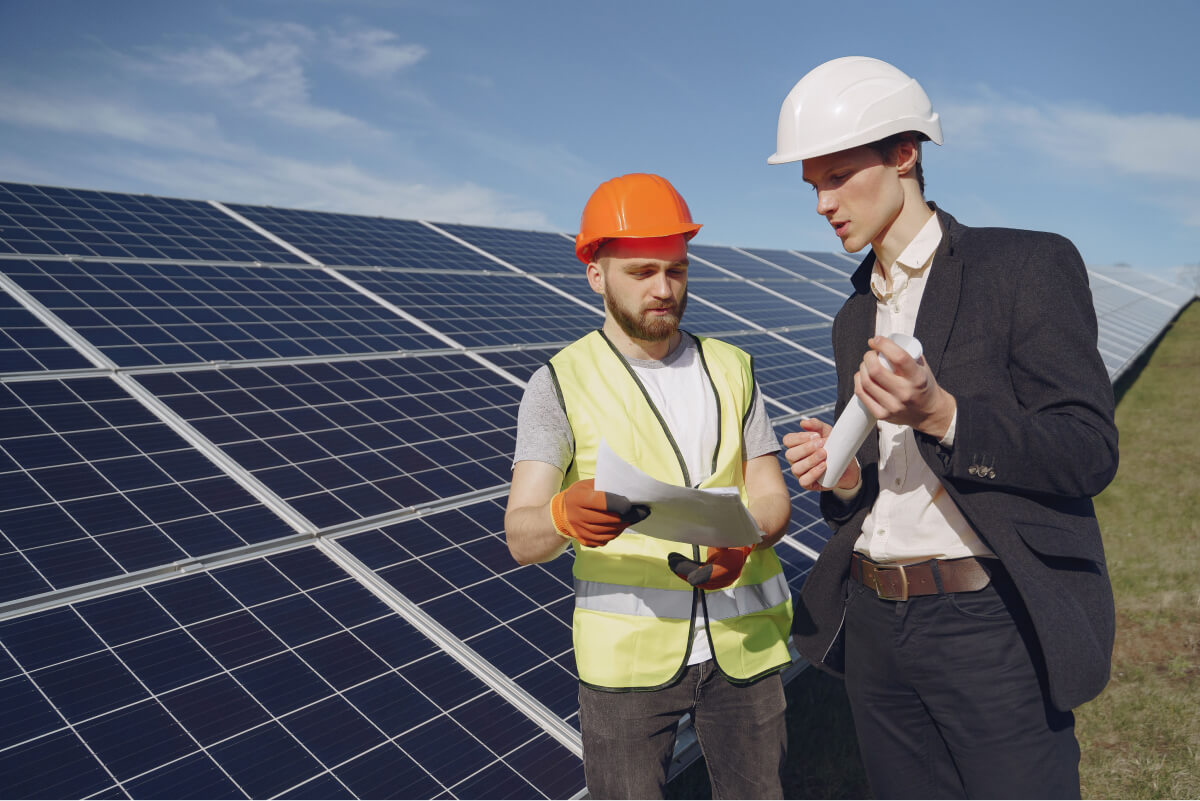
As global energy prices continue to fluctuate and household electricity costs rise year by year, residential distributed photovoltaic systems have evolved from a niche green facility into a mainstream household investment choice. Unlike centralized solar power plants that rely on large-scale land resources and long-distance power transmission, residential distributed PV systems are installed directly on household rooftops, converting sunlight into usable electricity on-site to power daily household appliances, lighting, and smart home devices. This on-site power generation model completely changes the traditional household power consumption mode of fully relying on grid electricity, bringing long-term economic and environmental benefits for ordinary families.
The core advantage of household distributed PV lies in its stable cost-saving effect and long service life. A standard residential PV system has a service life of more than 25 years, with stable power generation efficiency even after decades of operation. After one-time installation, families can obtain free solar electricity for a long time, greatly reducing monthly grid electricity bills. For excess power generated by the system that cannot be consumed by the household, most regions support grid-connected power sales, allowing homeowners to obtain additional passive income. Compared with traditional financial investments with unstable returns, household PV investment features low risks, long-term stable returns, and strong anti-inflation capabilities, which is extremely suitable for modern family asset allocation.
In addition to economic benefits, residential distributed PV also brings outstanding environmental value. Every kilowatt-hour of solar power generated replaces fossil fuel-generated grid electricity, effectively reducing carbon dioxide, sulfur dioxide and other greenhouse gas emissions. A medium-sized household PV system can reduce nearly tons of carbon emissions every year, equivalent to planting dozens of green trees. While improving the home’s green energy utilization rate, it also contributes to global carbon neutrality goals. Moreover, modern residential PV modules adopt streamlined and aesthetic designs, which can perfectly match various roof styles, not affecting the overall appearance of the house, and even improving the texture of residential buildings.
With the continuous maturity of PV technology and the decline of system installation costs, the threshold for household distributed PV installation is constantly lowered. Professional installation teams can complete layout design, installation and commissioning according to household roof area, orientation and local light conditions, ensuring maximum power generation efficiency. In addition, many regions have introduced favorable subsidy policies for residential solar projects, further shortening the investment recovery cycle. For every family pursuing low-carbon life and stable asset appreciation, distributed photovoltaic systems are undoubtedly the most cost-effective clean energy investment in 2026.